How important is Google Page Speed for UX and SEO?
Google Page Speed score is a good benchmark for web development best practices. Though don't get fixated by it as we look at it's impact on SEO and UX through a real world example.
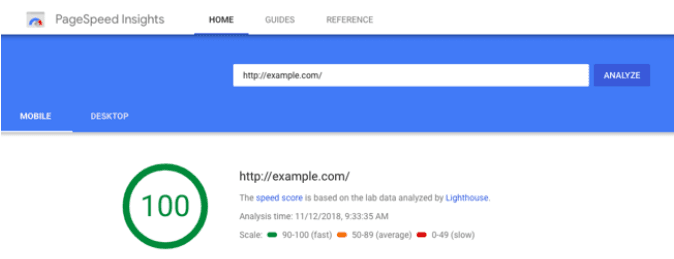
Google Page Speed, or its more detailed cousin Lighthouse, is often considered the benchmark when it comes to technical UX recommendations.
It provides insights on Loading performance, SEO, Accessibility, and Development Best Practices to name a few.
I think as a PM or UX Designer, your goal should be to be in the green zone. i.e. the score for each parameter should be more than 90.

We also try to strive for it for more important pages of our site at UXHack.
Having said that, it's not easy to accommodate all the recommendations (there are constraints). If you would have gone through this cycle, I'm sure you can relate to what I'm saying :)
The intent of this post is not to write about how important is Google's performance score for UX and SEO (you will get plenty of those articles).
Instead, I wanted to break down a few myths. The trigger for this came from two recent page ships we did: Changes to our Home Page and the launch of our Jobs page v2.0
Try to load both of them and take a wild guess of what our performance scores will be.
Breaking common myths:
1. A high-performance score doesn't mean better organic ranking and vice versa
Generally, Google penalises the search rankings if the page doesn't follow Web development best practices. A couple of popular examples where it penalises:
- If your page is not usable on Mobile, it's very likely Google will not recommend your page for Mobile searches
- Similarly, if your site is not secured, most likely it will not show up
However, does it penalise for poor performance scores?
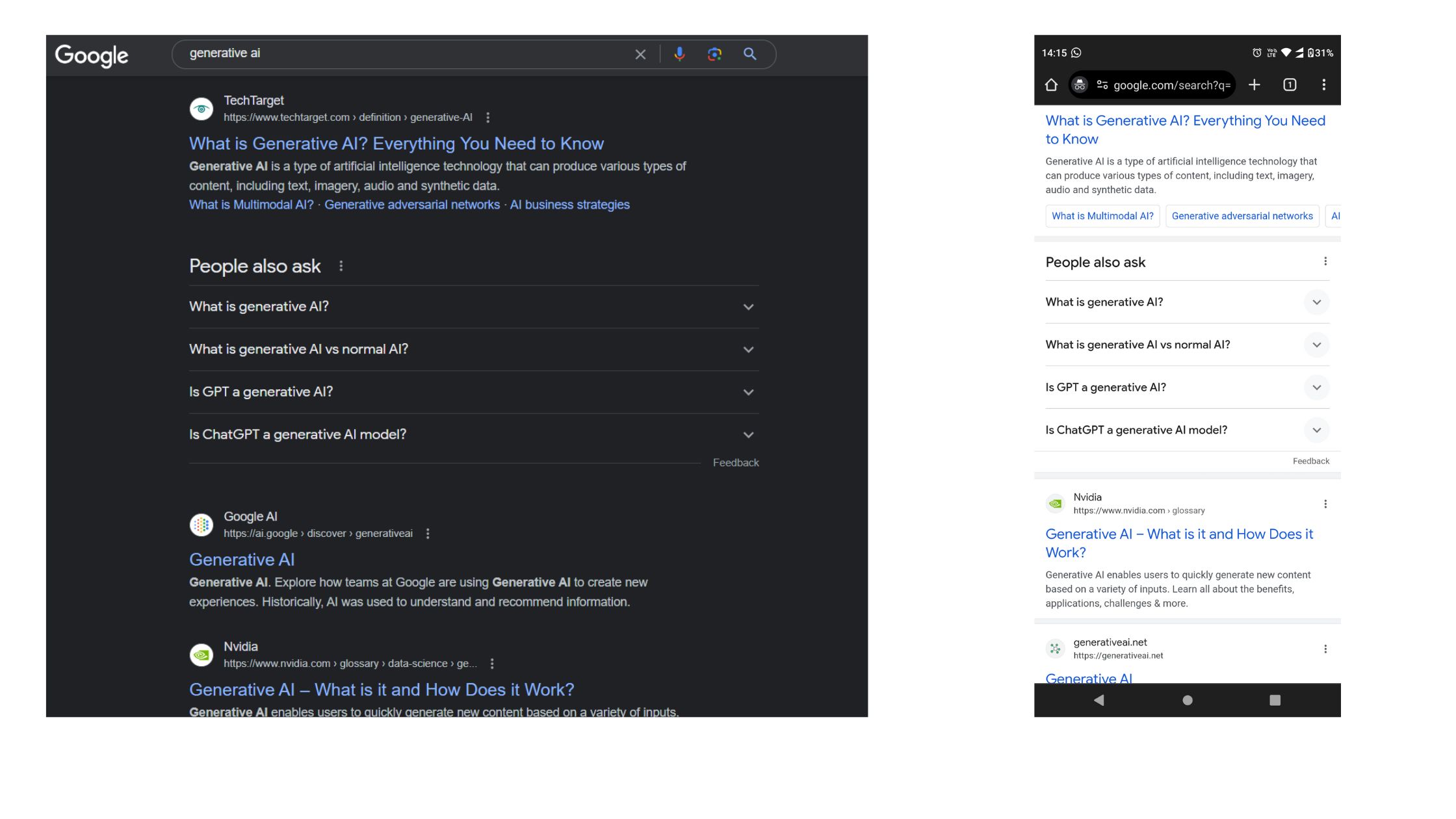
Here I will take an example of a current buzzword: 'Generative AI'
These are the results I get for both these keywords on Desktop and Mobile respectively (P.S: in Incognito, excluded sponsored posts):
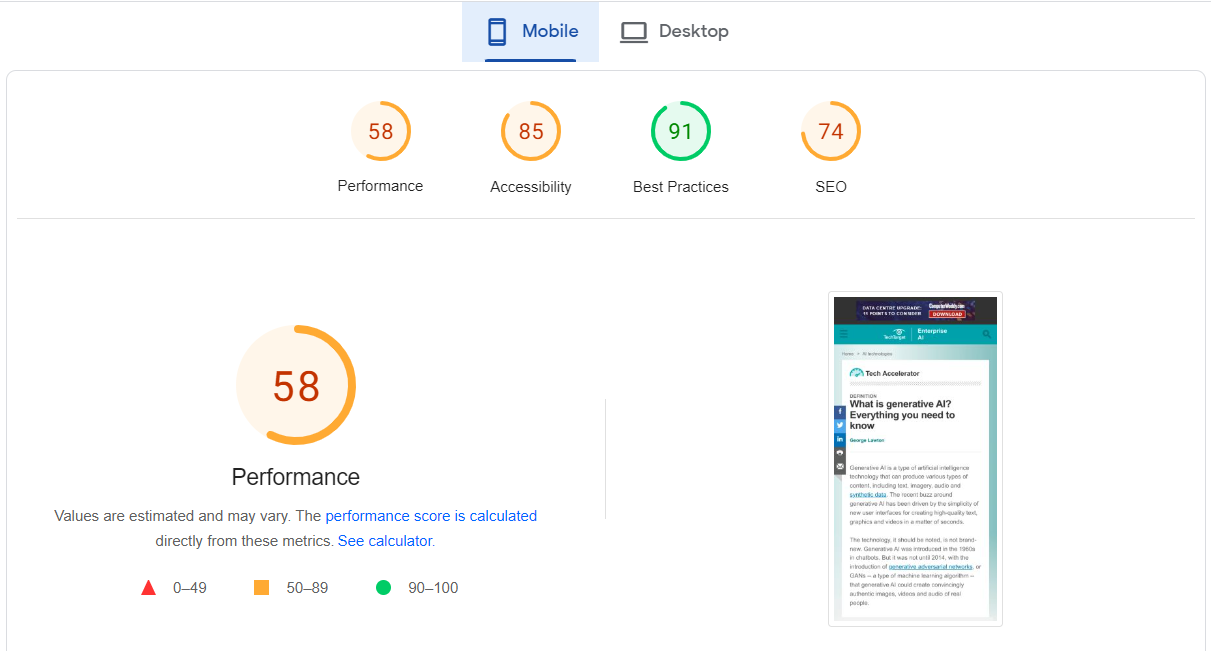
These are the Page speed scores for TechTarget and Nvidia URLs:
TechTarget
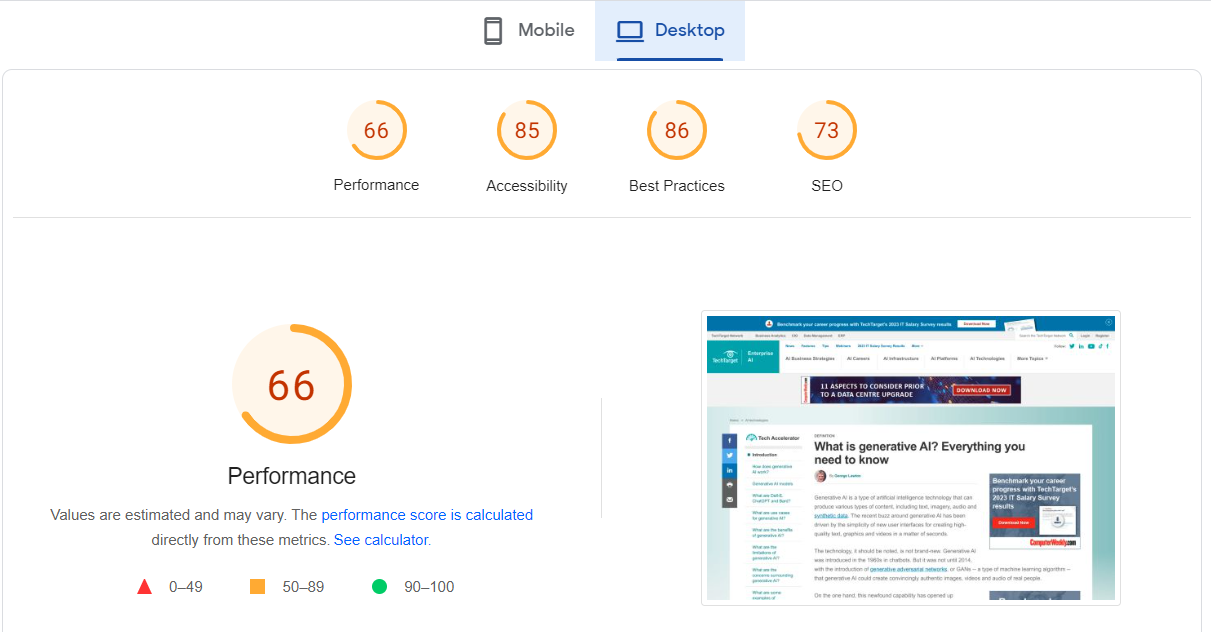
Nvidia
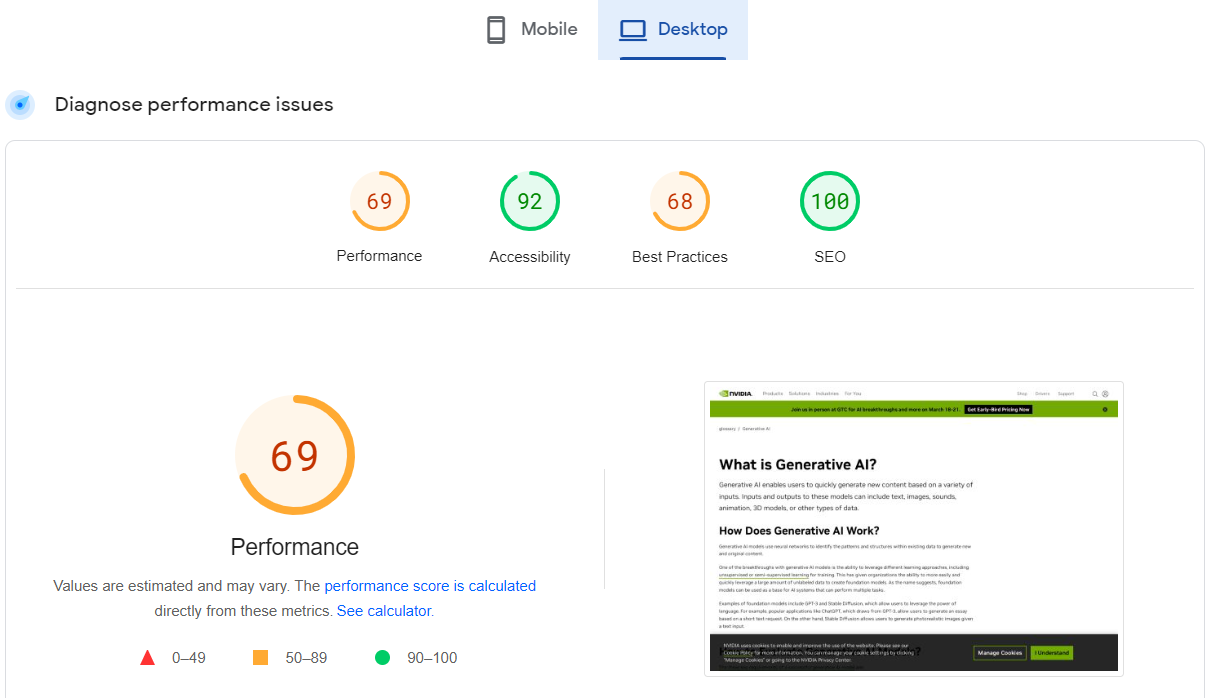
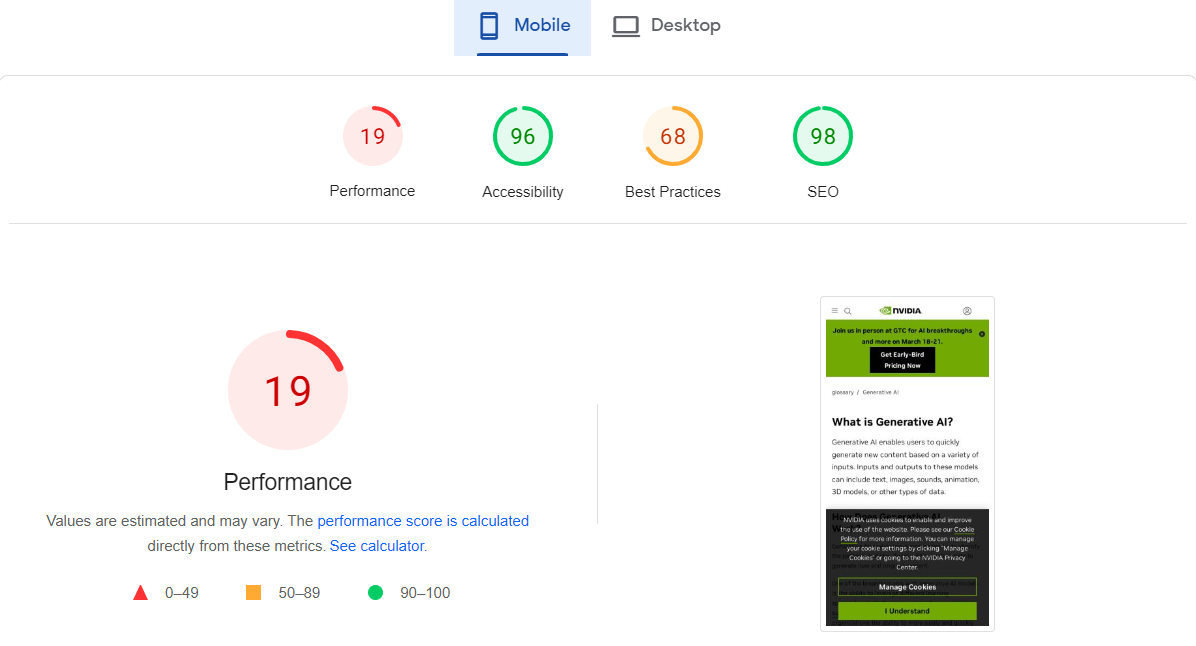
Certainly, in the case of Nvidia, that's not a good Page Speed score by any standards! Still, it ranks 2nd!
2. Prioritize page speed recommendations based on your visitor demographics
Google simulates real-world internet connections to test page performance. You can find more details here on how it currently does it
So it can happen that if your users are say mainly Urban, tech-savvy, a lot of recommendations should be then taken with a pinch of salt (Since your users' internet speeds and devices will most probably be performing much better).
3. A high score doesn't mean better conversions and vice versa
I think ultimately as a PM, you are the custodian of moving the metric. So page speed score is not a magic wand which if improved will automatically lead to conversions. At least I can't correlate this with my experience of shipping for UXHack.
What moves the metric is:
To conclude, I will say that you should strive to better your score. However, don't get fixated on it in the larger scheme of things.
P.S: Our current score is 60+ for the Home Page and 40+ for Jobs. We would like to improve these further but it will be an outcome of our overall improvements and not just because Google says so!
Now try it on a real brief
Enter an open UXHack challenge, get feedback from reviewers, and keep the case study for your portfolio.